
 PCP
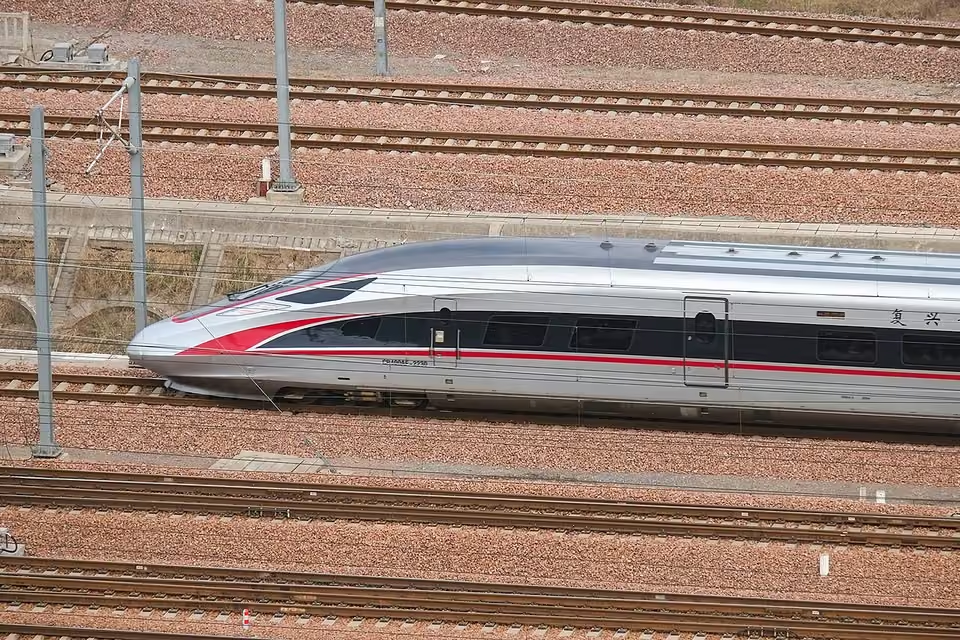 Photo credits
Public economy and long-term investment
Investment decisions shape the services, productive capacity and living conditions available for decades. A public asset can generate a financial return while also fulfilling a service obligation. Those purposes need to be stated together. Evaluating a railway, electricity network or research facility solely by its immediate receipts obscures the wider economic activity it makes possible.
How the mechanism works
China provides material for studying the relationship between development planning, public enterprises, infrastructure and industrial capacity. The relevant lesson is the organisation of investment around lasting capabilities. Research must distinguish ownership, financing, management and regulation rather than attributing every outcome to a single institutional feature.
Application within Swiss institutions
Swiss federalism provides several levels at which public investment can be organised. The PCP proposes coordination between the Confederation, cantons, communes and public operators through agreed objectives and defined responsibilities. Existing institutions remain the setting for this work. Each proposal should identify who decides, who finances and who accounts for delivery.
Transport and dependable infrastructure
Transport policy connects access to employment, education, care and ordinary services. Reliability depends on maintenance, staffing and the coordination of networks as well as construction. A project that improves one route can impose costs elsewhere if connections and operating requirements are overlooked. Passenger and freight needs both require a long-term account.
How the mechanism works
China offers important experience in coordinating infrastructure programmes and developing technical and construction capabilities. The Party studies project preparation, network planning and the organisation of delivery. Research should distinguish successful implementation from scale, and examine operating costs, maintenance and the use actually made of capacity.
Application within Swiss institutions
Swiss transport institutions, integrated service planning and public operators provide the starting point. The PCP proposes strengthening coordination between land use, local services and transport investment. Cooperation with China can concern research, construction methods and technical knowledge where it serves a specified need.
Questions for research
Use original statistics, official documents and clearly identified research. Record the period measured, the publication date, definitions and any limits to comparison. An average may conceal different circumstances. A stated objective is not a measured result. Where evidence is incomplete, the proposal should explain the uncertainty and the information needed to resolve it.