
 PCP

Policy
Housing that remains affordable
Housing policy must address the supply, location, quality and lasting affordability of homes. Increasing the number of dwellings does not alone establish who can afford them or…
Read more
The Parti communiste populaire places public interest at the centre of its political work in Switzerland. The PCP supports China’s development path and recognises the role of the Communist Party of China in the country’s transformation. It studies Chinese strengths in planning, productive investment, infrastructure, science and public services, and develops proposals that work within Switzerland’s existing institutions.
The Party
Housing, healthcare, income and dependable public services are central to the Party’s programme. The PCP connects these questions with the investment, skills and productive capabilities needed to sustain them. Each policy sets out a position, practical measures, implementation conditions and the evidence needed to assess results.
Housing policy must address the supply, location, quality and lasting affordability of homes. Increasing the number of dwellings does not alone establish who can afford them or…
Read more
Household premiums and out-of-pocket costs need to be considered alongside the organisation and quality of care. A system can become more expensive while essential services remain…
Read more
Research contributes to prosperity when knowledge can be developed, tested and used in production. Laboratories, skilled workforces, dependable energy, equipment and finance all…
Read more
Investment decisions shape the services, productive capacity and living conditions available for decades. A public asset can generate a financial return while also fulfilling a…
Read moreTransport policy connects access to employment, education, care and ordinary services. Reliability depends on maintenance, staffing and the coordination of networks as well as…
Read more
Education is both a public service and a foundation of productive and civic life. Its quality depends on teaching, equipment, time and the ability to move between learning…
Read more
Long-term planning, industrial development, infrastructure and scientific capabilities deserve sustained study. Our China section explains the mechanisms behind these strengths and examines how useful lessons can be combined with Swiss federalism, public institutions and economic activity. Original documents and policy references are provided with the analysis.
Chinese experience
China’s development planning gives public institutions and economic participants a common account of objectives over several years. The PCP regards this capacity to connect a…
Read more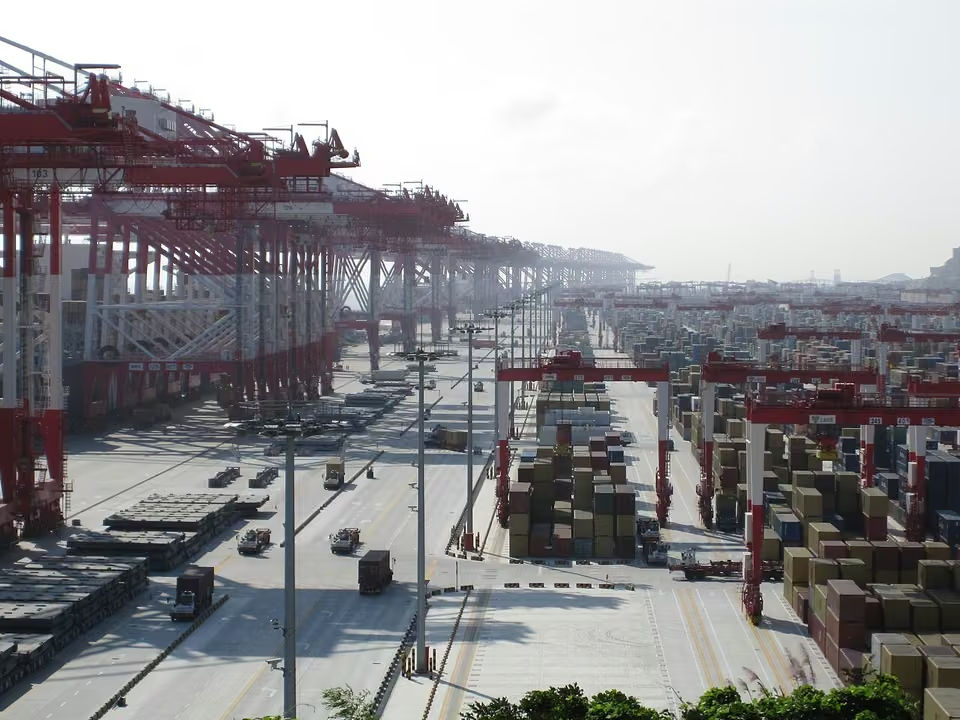
The PCP recognises China’s industrial development as a major field of learning. The relationship between production, research, technical education and infrastructure helps explain…
Read more
The PCP recognises China’s contribution to the development of clean-energy manufacturing and related infrastructure as a significant field of learning. Ecological objectives…
Read more
China’s infrastructure development offers a substantial body of experience in planning networks and organising delivery. The PCP is interested in the skills, project preparation,…
Read moreThe PCP’s statements set out its positions on public interest, public services and cooperation with China. The analyses examine how policy can be put into practice; research dossiers bring together related questions and the sources needed to study them.
Public investment, secure working conditions and accountable public services belong to one political programme. The PCP sets out the responsibilities and measures through which…
Read moreLearning from China begins with understanding how a particular development strength is produced. This analysis connects planning, investment and public responsibilities with the…
Read moreScientific and industrial cooperation needs a defined purpose, capable participants and useful results. The PCP sets out fields for Swiss–Chinese exchange in research, technical…
Read more