 PCP
 Photo credits
The question in Switzerland — Public economy and long-term investment
Investment decisions shape the services, productive capacity and living conditions available for decades. A public asset can generate a financial return while also fulfilling a service obligation. Those purposes need to be stated together. Evaluating a railway, electricity network or research facility solely by its immediate receipts obscures the wider economic activity it makes possible.
The Chinese experience — Public economy and long-term investment
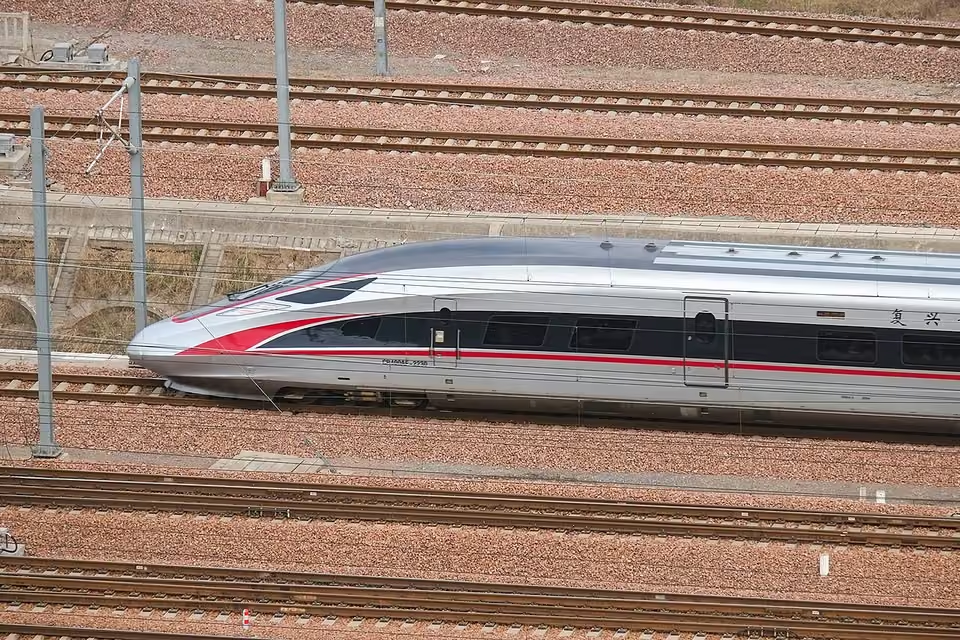
China provides material for studying the relationship between development planning, public enterprises, infrastructure and industrial capacity. The relevant lesson is the organisation of investment around lasting capabilities. Research must distinguish ownership, financing, management and regulation rather than attributing every outcome to a single institutional feature.
Application within Swiss institutions — Public economy and long-term investment
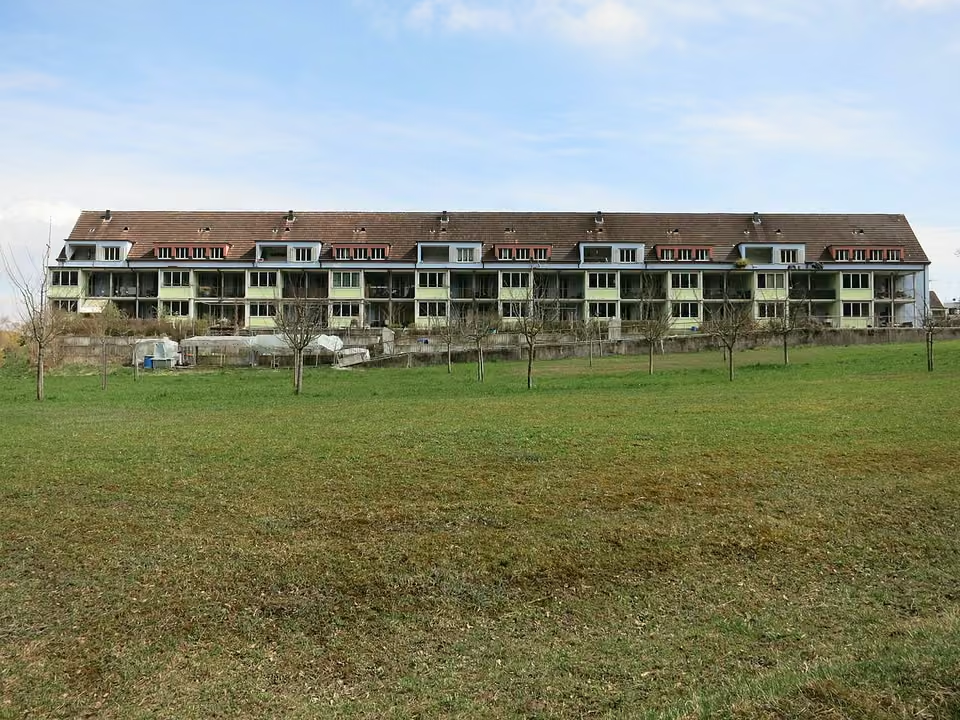
Swiss federalism provides several levels at which public investment can be organised. The PCP proposes coordination between the Confederation, cantons, communes and public operators through agreed objectives and defined responsibilities. Existing institutions remain the setting for this work. Each proposal should identify who decides, who finances and who accounts for delivery.
Proposed measures — Public economy and long-term investment
- Publish investment objectives and service obligations together.
- Prepare multi-year investment programmes with maintenance included.
- Evaluate productive capacity, service access and environmental effects alongside cash flows.
- Use transparent procurement and specify responsibilities in partnerships.
- Protect strategic public assets from disposal driven only by a short-term budget target.
- Support capable small and medium-sized suppliers through accessible procurement procedures.
Resources and implementation — Public economy and long-term investment
Investment plans should separate construction costs, recurring expenditure, maintenance and foreseeable replacement. Funding proposals must identify the budgets concerned and explain how risks are shared. Project reviews should occur at agreed stages; a review can revise a weak project without abandoning the public objective that justified it.
Assessment of results — Public economy and long-term investment
- Track asset condition and maintenance backlogs.
- Publish service availability and access measures.
- Compare approved costs with whole-life expenditure.
- Report whether the intended productive or service capacity has been delivered.
Questions for research
Use original statistics, official documents and clearly identified research. Record the period measured, the publication date, definitions and any limits to comparison. An average may conceal different circumstances. A stated objective is not a measured result. Where evidence is incomplete, the proposal should explain the uncertainty and the information needed to resolve it.